

MissPoppins’ Online Parent Support
Your Go-To Guide for Parenting Tips from Expert Parent Coaches
Explore our parent coaching articles hub for expert tips, practical advice, and insights to support you at every stage of your journey.


Newborn Separation Anxiety: Can Babies Have It Early? Age Timeline and Sleep Tips
True separation anxiety does not occur in newborns (0–2 months) because babies do not develop object permanence until 6 to 9 months of age. However, newborns and young infants (2–4 months) frequently experience intense fourth-trimester clinginess, caregiver preference, and bassinet refusal that closely mimic separation anxiety. Gentle sensory transitions, safe scent transfer onto fitted crib sheets, and consistent sleep routines help soothe early separation distress.

When Will an Infant Sleep Through the Night? The 3- to 6-Month Timeline
Medically, an infant is considered to be "sleeping through the night" when they achieve a single 5- to 6-hour stretch of sleep, which typically occurs between 3 and 6 months of age. A full 10- to 12-hour uninterrupted night of sleep usually does not develop until a baby is closer to 9 to 12 months old.

Can You Overfeed a Breastfed Newborn? Nursing vs Bottle-Feeding
It is highly unlikely to overfeed a newborn nursing directly at the breast because they naturally self-regulate their intake and stop when full. However, it is possible to overfeed a baby with breast milk from a bottle, as the continuous flow can override their natural satiety cues.
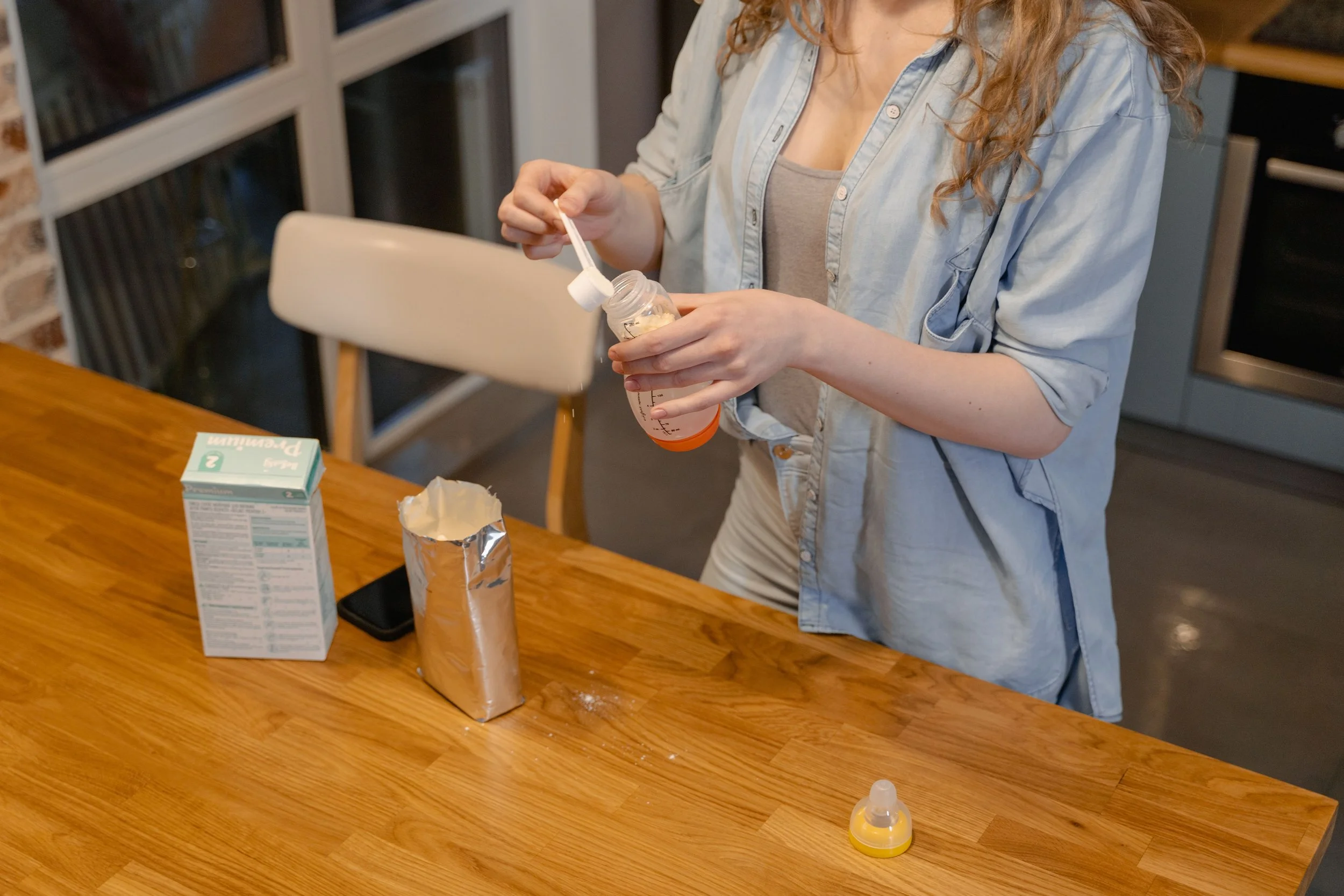
How Long Is a Formula Bottle Good For? The 24/2/1 Rule Explained
Follow the definitive 24/2/1 Rule: untouched prepared formula lasts 24 hours in the fridge or 2 hours at room temperature. Once your baby takes a sip, discard any leftover formula within exactly 1 hour to prevent rapid bacterial growth from saliva.
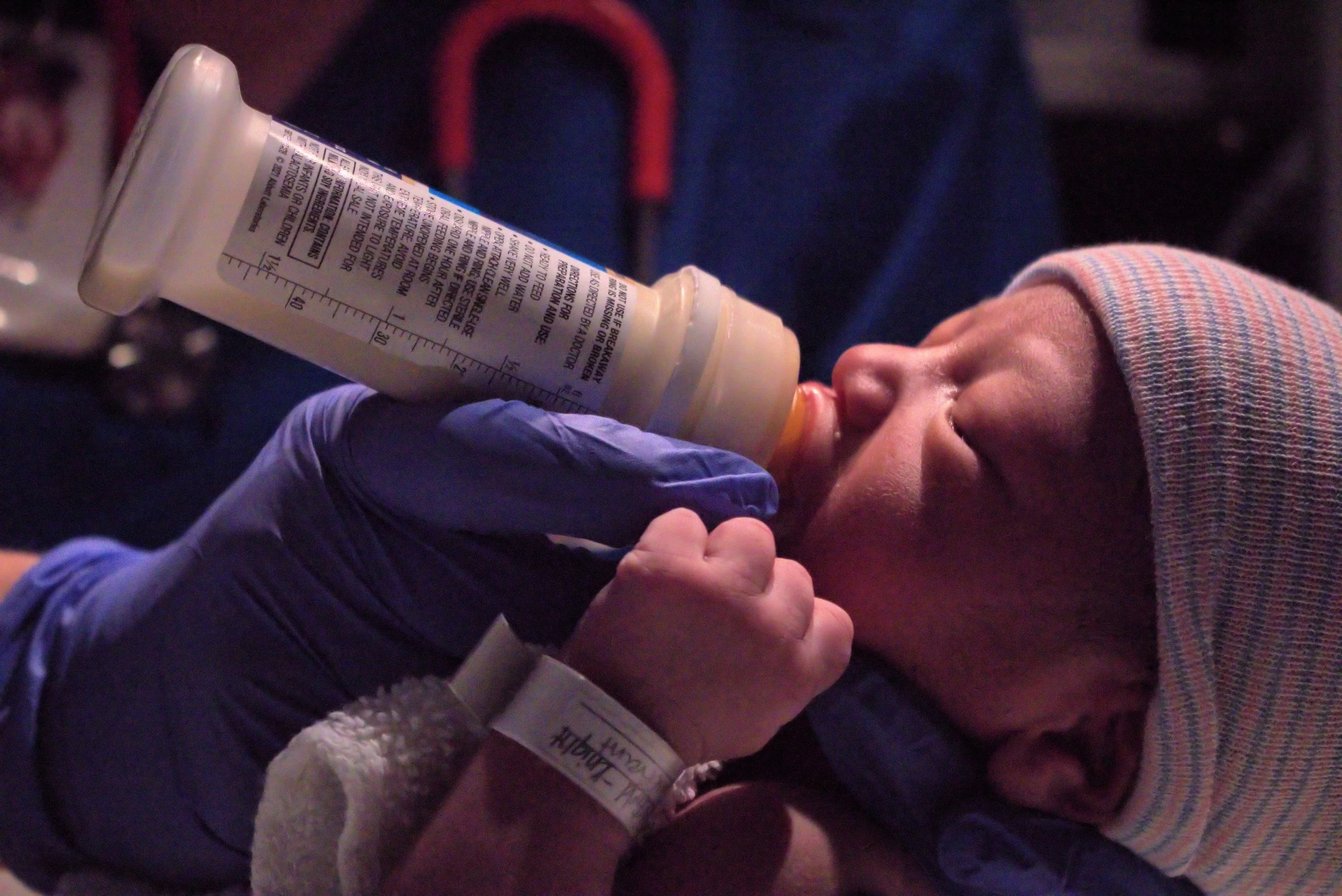
How to Wake Up a Newborn to Feed: Methods for Deep Sleepers
To wake a sleepy newborn for a feed, strip them down to their diaper, apply a cool washcloth to their feet, and use skin-to-skin contact. If a baby under two weeks old will not wake after four hours, consult your pediatrician immediately to rule out jaundice or low blood sugar.

Nighttime Nursing: Newborn Breastfeeding Routines & The 5-3-3 Rule
Nighttime nursing is a biological requirement for newborns to regain birth weight and establish a mother's milk supply. Frameworks like the 5-3-3 rule offer structured sleep intervals, but infants should only adhere to spaced feeding schedules after explicit pediatrician clearance. Expect frequent night waking to peak between weeks three and six.

Breastfeeding Workouts: Safe Postpartum Exercises That Protect Milk Supply
Yes, exercising while breastfeeding is completely safe. Moderate workouts do not decrease milk supply or change milk composition. Maintaining your supply requires adequate hydration, sufficient caloric intake, and wearing non-compressive encapsulation sports bras.

17 Foods to Avoid While Breastfeeding: Clinical Risks vs. Common Myths
Breast milk is synthesized from your bloodstream, not your stomach. Gas-producing foods like broccoli do not transfer gas to your baby. True foods to avoid are limited to high-mercury fish, excessive alcohol, and supply-inhibiting decongestants.
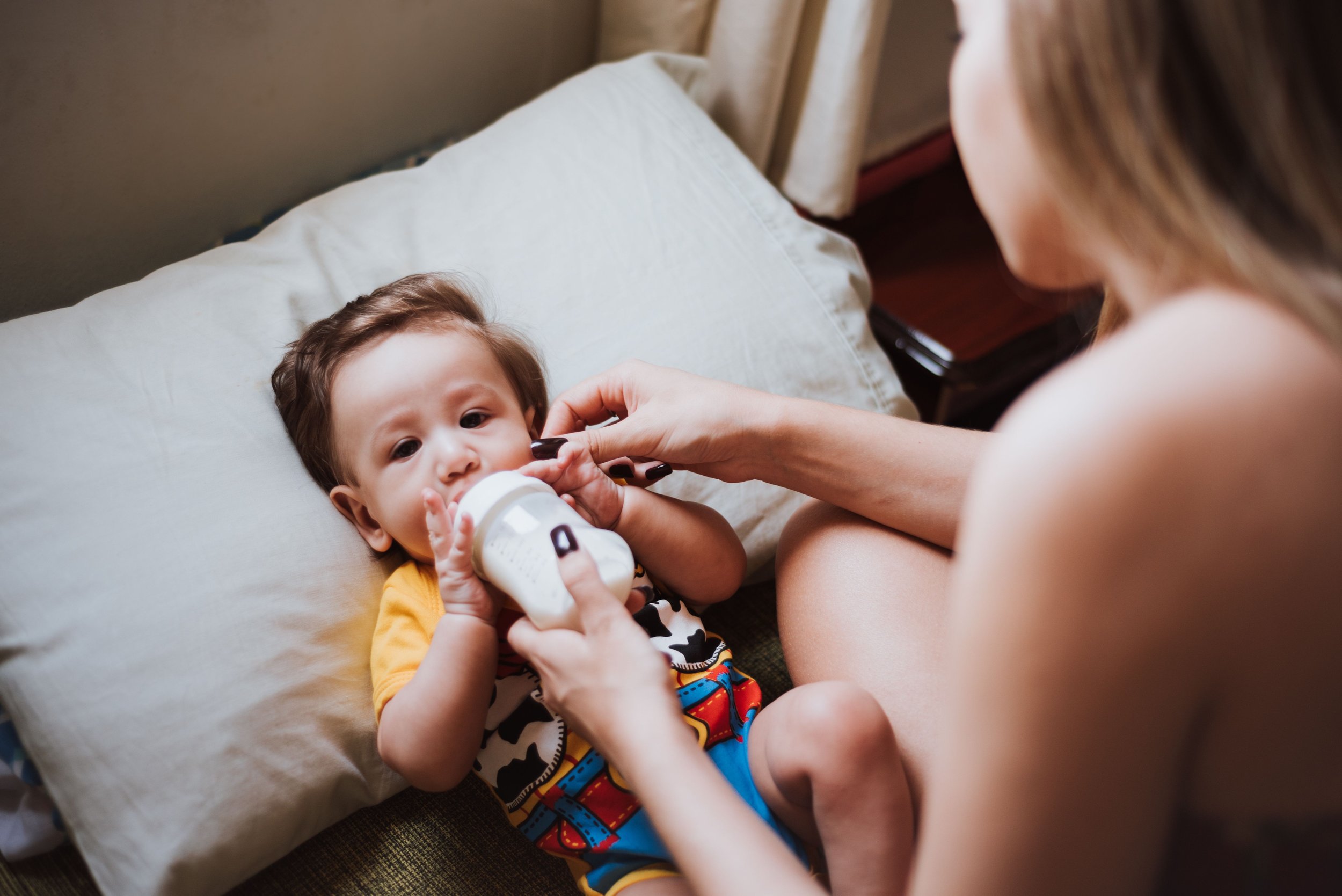
When Do Babies Hold Their Own Bottle? (Timeline & Safety Milestones)
Babies typically develop the motor skills to hold their own bottle between 6 and 10 months of age. While early grasping motions often appear between 3 and 5 months, independent feeding requires advanced hand-eye coordination and core stability. Caregivers must always supervise bottle feeds to prevent choking.

Is It Normal for a Newborn to Sleep With Their Mouth Open?
Occasional open-mouth sleeping in newborns is usually caused by temporary, mild nasal congestion. However, chronic open-mouth sleeping is not normal. Infants under six months are obligate nasal breathers. If a baby consistently sleeps with an open mouth when they are not congested, it strongly indicates restricted oral motor function.

How Much Does a Doula Cost? (2026 Rates, Hidden Fees & Payment Workarounds)
In 2026, a standard birth doula flat fee ranges from $800 to over $3,500 depending on location and experience. Postpartum doulas charge $25 to $65 per hour for daytime support. Overnight newborn care typically costs $40 to $100 per hour.

The Dream Feed Protocol: How to Feed a Newborn Without Waking Them
A dream feed is a preemptive feeding offered to a sleeping newborn between 10:00 PM and 11:30 PM. The goal is to provide enough calories to extend the baby's longest block of uninterrupted sleep without fully waking them, aligning their rest with the parents' sleep schedule.

How to Survive the Witching Hour With a Newborn: A Calm Evening Plan for You and Your Baby
The witching hour in newborns is a normal developmental phase of intense evening fussiness and crying that typically occurs between 5 p.m. and 11 p.m.

Should You Wear a Belly Band or Waist Trainer Postpartum?
What are the real differences between postpartum belly bands “fajas”, waist trainers, and the in between. Learn the safety implications, benefits, risks, and what research actually supports during postpartum recovery.

5 Signs That Your Baby Is Coming Soon
If you think that your baby is coming soon, consider these symptoms to watch for by Mayo Clinic. For live virtual doula and general parenting support, always consider experts from MissPoppins for comprehensive care from prenatal to toddlerhood.

What Should You Look for in a Baby Diaper
Always ensure your diaper selection meets the standard. Here are some certified childcare expert-approved brands that are breathable, fragrance-free, and gentle for a baby’s sensitive skin.

Sleep Pressure in Babies- A Guide
Sleep pressure in babies can be defined as the internal buildup of tiredness that happens the longer they are awake. Babies grow their wake window stamina gradually as they age. Watch for these signs if you feel like your baby is struggling with overtiredness or struggling to regulate their sleep cycle.

What is a Nipple Shield? What Are They Used For?
Breastfeeding traditionally can be met with—pain, latch struggles, and even premature baby feeding can make it tough. Nipple shields offer a temporary solution by protecting sore nipples and helping babies latch more effectively. When used with IBCLC guidance, they can ease your journey and make the transition back to natural breastfeeding smoother.


Best Foods After Giving Birth for Recovery
Postpartum recovery is a journey that requires more than just rest-it calls for intentional nutrition that fuels healing, energy, and emotional balance. From iron-rich foods that combat fatigue to omega-3s that stabilize mood and enhance breast milk, what new mothers eat directly shapes their recovery experience. Even small choices, like hydration and whole grains, can make a big difference. And for those craving comfort, lactation-friendly treats like The Leaky Momma’s cookies show that postpartum nutrition can be both functional and enjoyable.