

MissPoppins’ Online Parent Support
Your Go-To Guide for Parenting Tips from Expert Parent Coaches
Explore our parent coaching articles hub for expert tips, practical advice, and insights to support you at every stage of your journey.


Newborn Separation Anxiety: Can Babies Have It Early? Age Timeline and Sleep Tips
True separation anxiety does not occur in newborns (0–2 months) because babies do not develop object permanence until 6 to 9 months of age. However, newborns and young infants (2–4 months) frequently experience intense fourth-trimester clinginess, caregiver preference, and bassinet refusal that closely mimic separation anxiety. Gentle sensory transitions, safe scent transfer onto fitted crib sheets, and consistent sleep routines help soothe early separation distress.
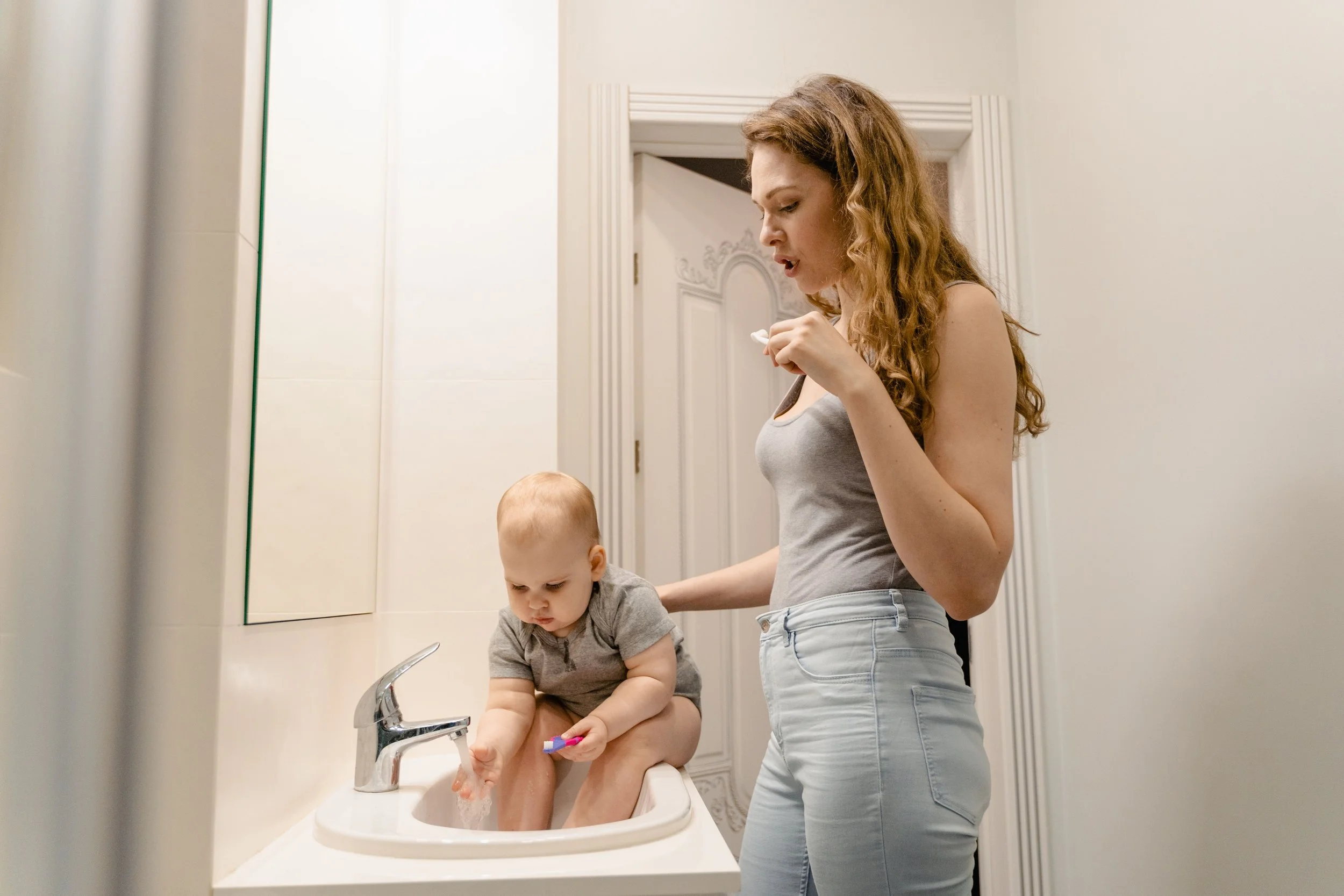
Toilet Training Regression in Kids Ages 2 to 5: A Calm Reset Guide
Toilet training regression (or potty training regression) is a temporary setback lasting 1 to 3 weeks where a previously toilet-trained child (ages 2 to 5) starts having daytime or nighttime accidents again. It is typically triggered by routine disruptions like a new sibling, starting school, or physical constipation. Once a pediatrician rules out medical causes, parents can resolve it with neutral reactions, consistent transition prompts, and a structured behavioral reset.

When Will an Infant Sleep Through the Night? The 3- to 6-Month Timeline
Medically, an infant is considered to be "sleeping through the night" when they achieve a single 5- to 6-hour stretch of sleep, which typically occurs between 3 and 6 months of age. A full 10- to 12-hour uninterrupted night of sleep usually does not develop until a baby is closer to 9 to 12 months old.

Can You Overfeed a Breastfed Newborn? Nursing vs Bottle-Feeding
It is highly unlikely to overfeed a newborn nursing directly at the breast because they naturally self-regulate their intake and stop when full. However, it is possible to overfeed a baby with breast milk from a bottle, as the continuous flow can override their natural satiety cues.
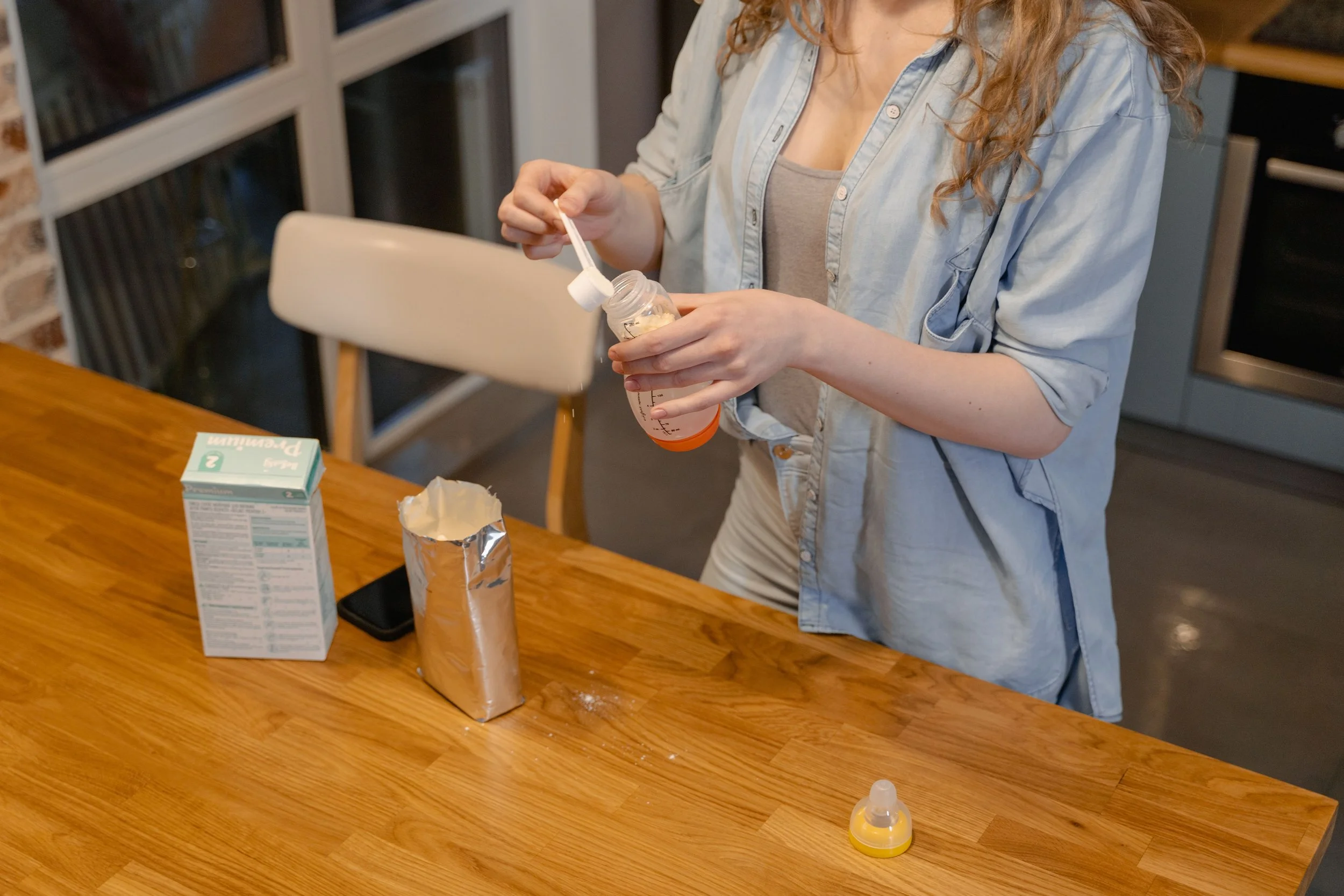
How Long Is a Formula Bottle Good For? The 24/2/1 Rule Explained
Follow the definitive 24/2/1 Rule: untouched prepared formula lasts 24 hours in the fridge or 2 hours at room temperature. Once your baby takes a sip, discard any leftover formula within exactly 1 hour to prevent rapid bacterial growth from saliva.
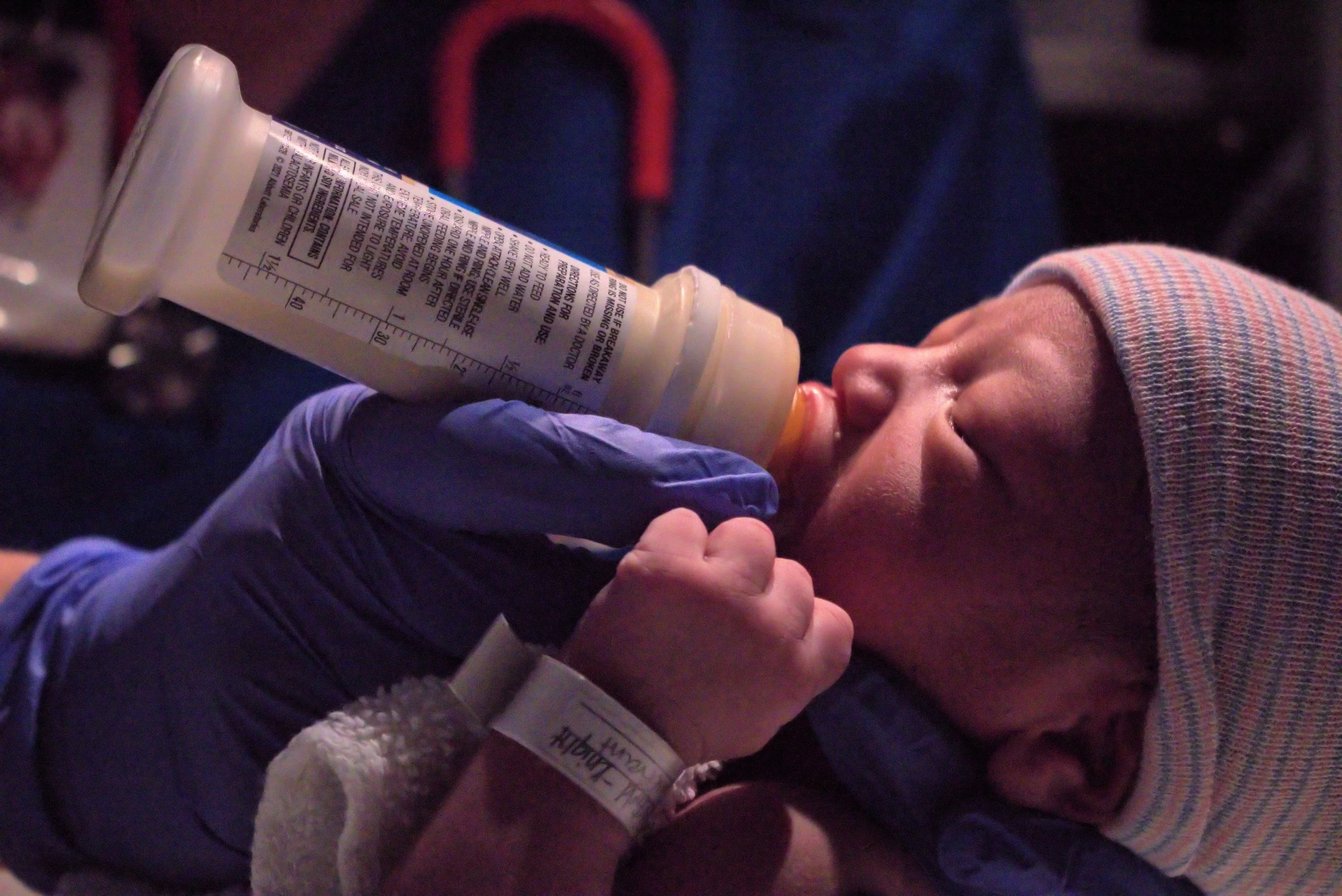
How to Wake Up a Newborn to Feed: Methods for Deep Sleepers
To wake a sleepy newborn for a feed, strip them down to their diaper, apply a cool washcloth to their feet, and use skin-to-skin contact. If a baby under two weeks old will not wake after four hours, consult your pediatrician immediately to rule out jaundice or low blood sugar.

Nighttime Nursing: Newborn Breastfeeding Routines & The 5-3-3 Rule
Nighttime nursing is a biological requirement for newborns to regain birth weight and establish a mother's milk supply. Frameworks like the 5-3-3 rule offer structured sleep intervals, but infants should only adhere to spaced feeding schedules after explicit pediatrician clearance. Expect frequent night waking to peak between weeks three and six.

Breastfeeding Workouts: Safe Postpartum Exercises That Protect Milk Supply
Yes, exercising while breastfeeding is completely safe. Moderate workouts do not decrease milk supply or change milk composition. Maintaining your supply requires adequate hydration, sufficient caloric intake, and wearing non-compressive encapsulation sports bras.

17 Foods to Avoid While Breastfeeding: Clinical Risks vs. Common Myths
Breast milk is synthesized from your bloodstream, not your stomach. Gas-producing foods like broccoli do not transfer gas to your baby. True foods to avoid are limited to high-mercury fish, excessive alcohol, and supply-inhibiting decongestants.
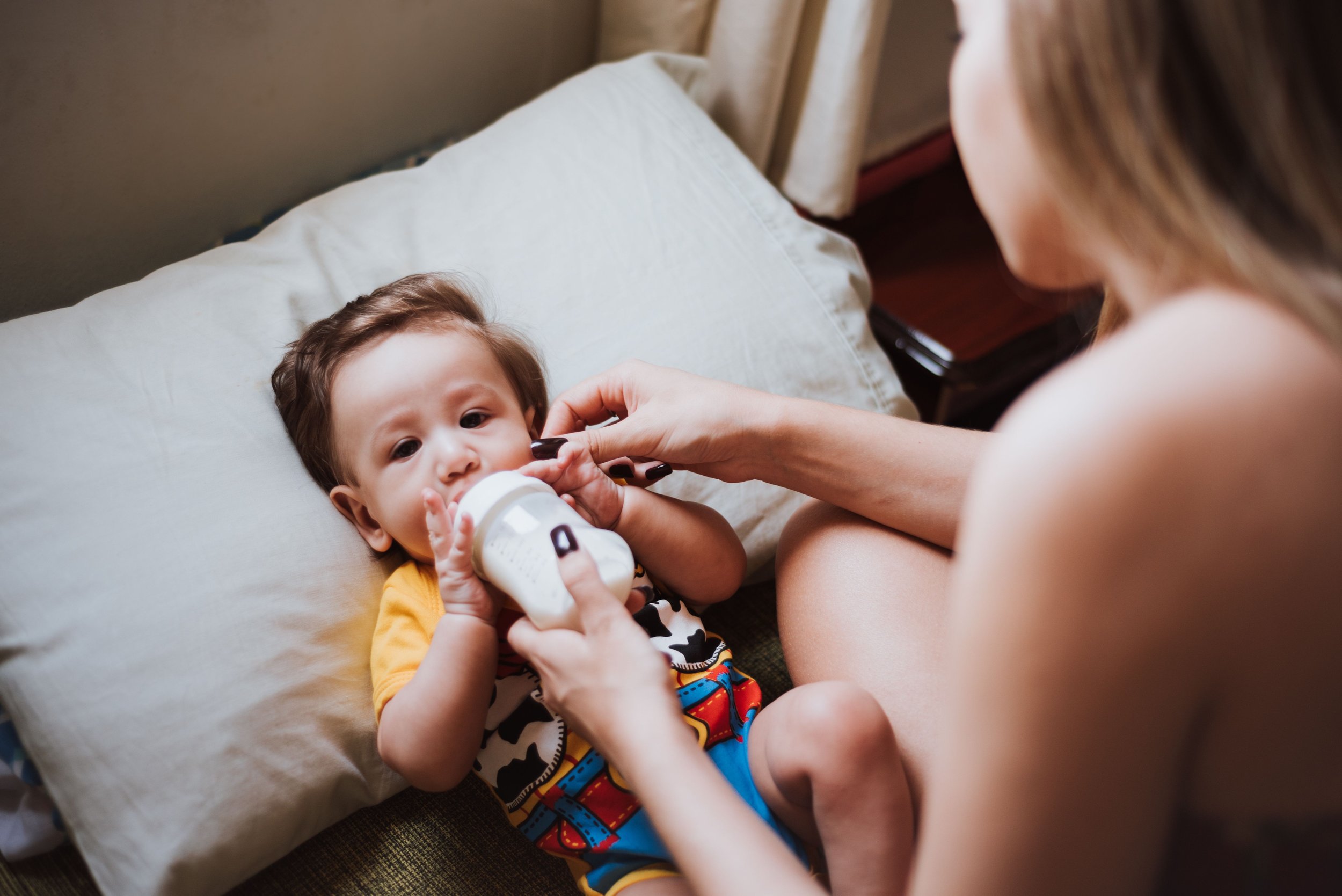
When Do Babies Hold Their Own Bottle? (Timeline & Safety Milestones)
Babies typically develop the motor skills to hold their own bottle between 6 and 10 months of age. While early grasping motions often appear between 3 and 5 months, independent feeding requires advanced hand-eye coordination and core stability. Caregivers must always supervise bottle feeds to prevent choking.
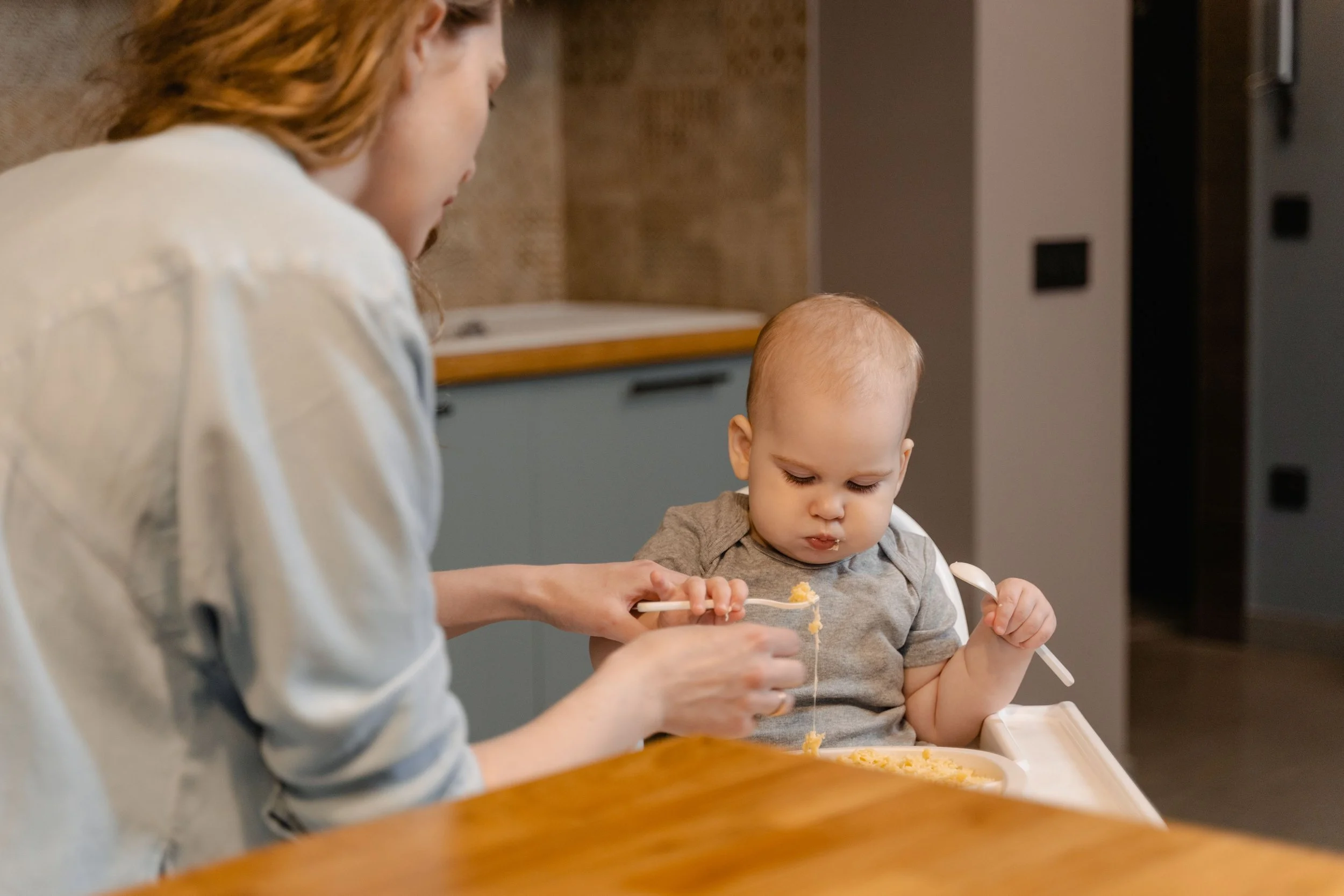
3 Month Old Feeding Guide: Exact Ounces, Timetables, and Formula vs. Breastfeeding Benchmarks
At 3 months old, babies generally feed every 2.5 to 4 hours. Breastfed babies typically nurse 6 to 8 times a day, while formula-fed babies take a bottle 5 to 6 times a day. The standard intake for a 12-week-old is between 22 and 34 ounces in a 24-hour period.

Is It Normal for a Newborn to Sleep With Their Mouth Open?
Occasional open-mouth sleeping in newborns is usually caused by temporary, mild nasal congestion. However, chronic open-mouth sleeping is not normal. Infants under six months are obligate nasal breathers. If a baby consistently sleeps with an open mouth when they are not congested, it strongly indicates restricted oral motor function.

How Much Does a Doula Cost? (2026 Rates, Hidden Fees & Payment Workarounds)
In 2026, a standard birth doula flat fee ranges from $800 to over $3,500 depending on location and experience. Postpartum doulas charge $25 to $65 per hour for daytime support. Overnight newborn care typically costs $40 to $100 per hour.

The Dream Feed Protocol: How to Feed a Newborn Without Waking Them
A dream feed is a preemptive feeding offered to a sleeping newborn between 10:00 PM and 11:30 PM. The goal is to provide enough calories to extend the baby's longest block of uninterrupted sleep without fully waking them, aligning their rest with the parents' sleep schedule.

Toddler Behavior Red Flags: 7 Subtle Signs of Developmental Delay
Subtle toddler delays often appear as echoed speech, lack of joint attention, or persistent sensory-seeking movements. If these occur, parents should skip the "wait and see" approach and immediately seek a professional behavioral assessment.

The 45-Minute Wake-Up: How to Fix a False Start Bedtime Tonight
A false start bedtime happens when a baby fails to connect their first sleep cycle, waking 30 to 45 minutes after being put down.
To fix it tonight, wait 10 minutes to rule out active sleep, then re-soothe them in total darkness without removing them from the crib.

How to Survive the Witching Hour With a Newborn: A Calm Evening Plan for You and Your Baby
The witching hour in newborns is a normal developmental phase of intense evening fussiness and crying that typically occurs between 5 p.m. and 11 p.m.

Infant Sleep on Stomach: Is It Safe? (Pediatrician Guidelines)
The AAP requires placing infants on their backs to sleep for the entire first year. However, if your baby can independently roll both ways in a completely bare crib, you do not need to flip them.

The 18 Month Sleep Regression: 6 Signs & How to Handle It
The 18-month sleep regression is a temporary, normal disruption driven by brain development and separation anxiety that causes toddlers to fight sleep for a few weeks.

Responsive Parenting Boundaries: How to Set Limits With Your Toddler Without Yelling
Responsive parenting boundaries aren't about whether you set limits, but how. Learn a calm 5-step approach to set toddler limits without yelling.