

MissPoppins’ Online Parent Support
Your Go-To Guide for Parenting Tips from Expert Parent Coaches
Explore our parent coaching articles hub for expert tips, practical advice, and insights to support you at every stage of your journey.


Newborn Separation Anxiety: Can Babies Have It Early? Age Timeline and Sleep Tips
True separation anxiety does not occur in newborns (0–2 months) because babies do not develop object permanence until 6 to 9 months of age. However, newborns and young infants (2–4 months) frequently experience intense fourth-trimester clinginess, caregiver preference, and bassinet refusal that closely mimic separation anxiety. Gentle sensory transitions, safe scent transfer onto fitted crib sheets, and consistent sleep routines help soothe early separation distress.
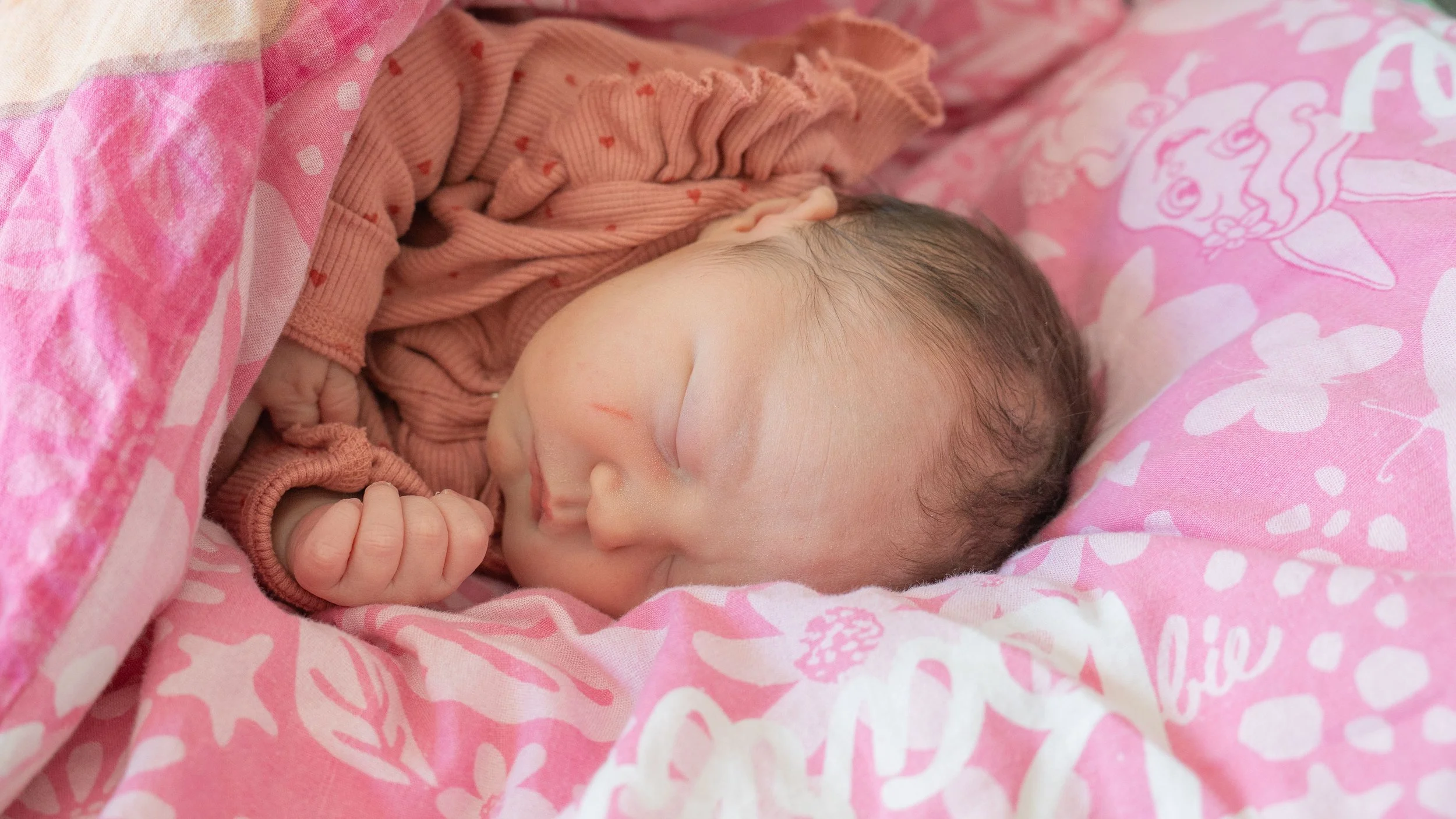
When Will an Infant Sleep Through the Night? The 3- to 6-Month Timeline
Medically, an infant is considered to be "sleeping through the night" when they achieve a single 5- to 6-hour stretch of sleep, which typically occurs between 3 and 6 months of age. A full 10- to 12-hour uninterrupted night of sleep usually does not develop until a baby is closer to 9 to 12 months old.
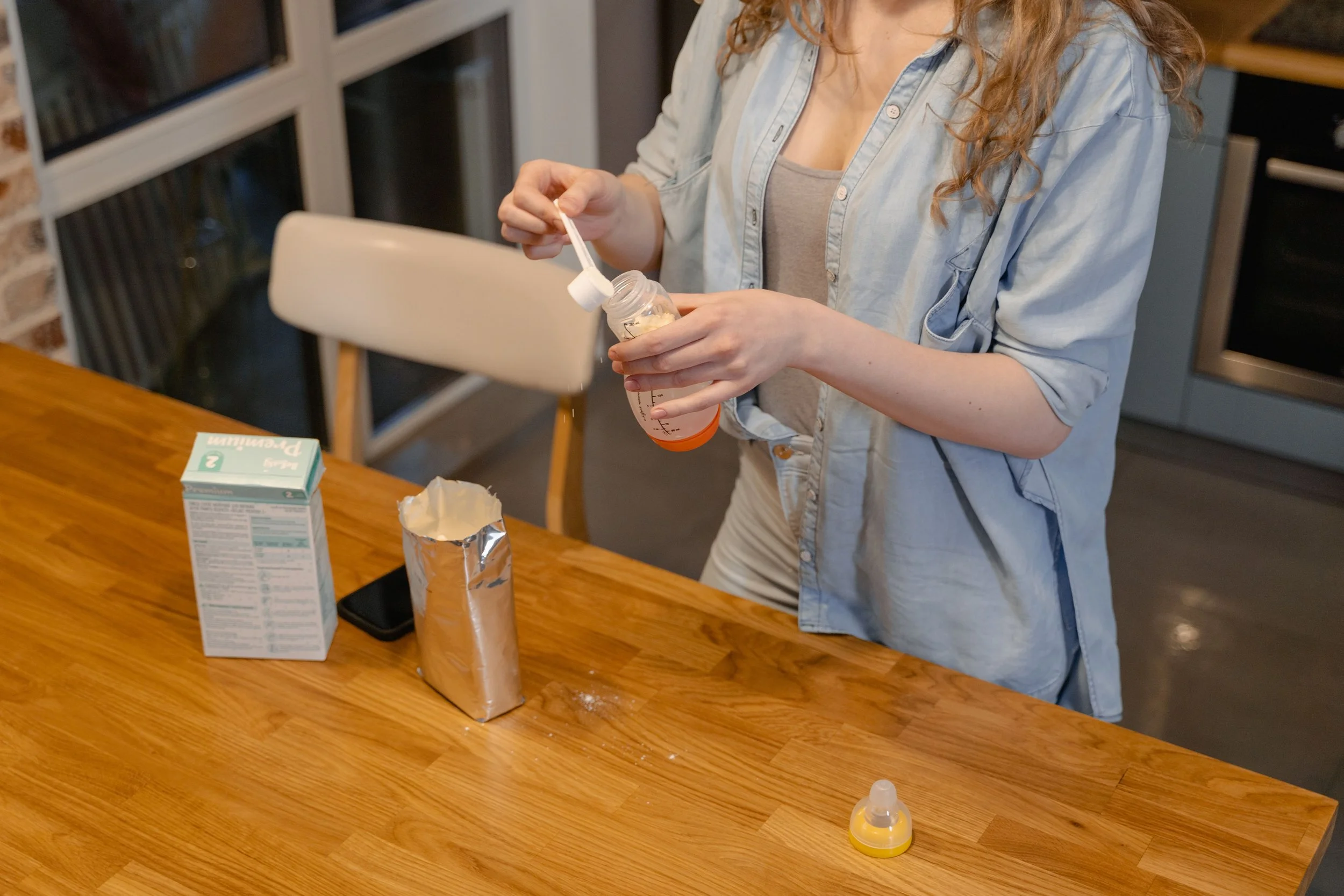
How Long Is a Formula Bottle Good For? The 24/2/1 Rule Explained
Follow the definitive 24/2/1 Rule: untouched prepared formula lasts 24 hours in the fridge or 2 hours at room temperature. Once your baby takes a sip, discard any leftover formula within exactly 1 hour to prevent rapid bacterial growth from saliva.
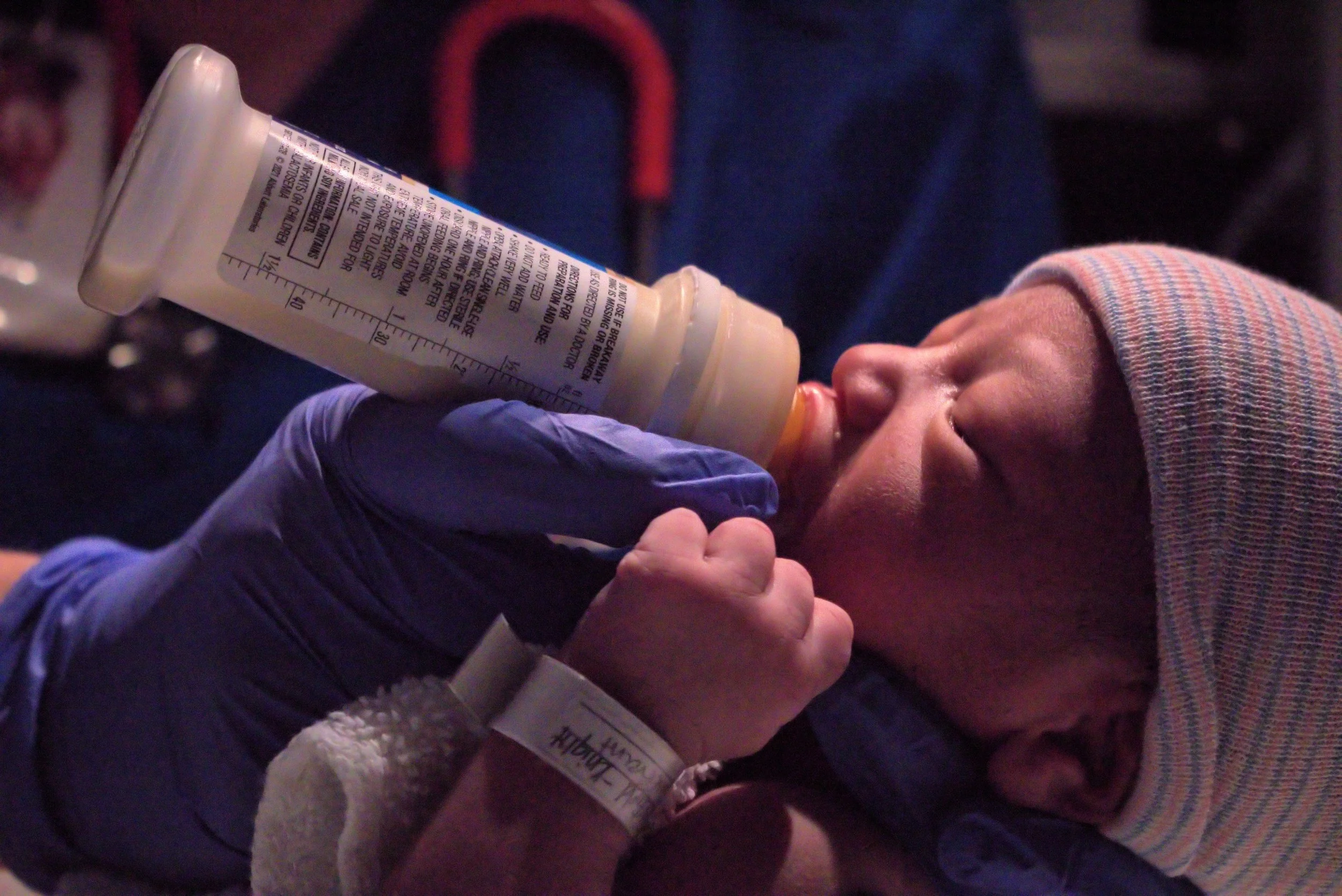
How to Wake Up a Newborn to Feed: Methods for Deep Sleepers
To wake a sleepy newborn for a feed, strip them down to their diaper, apply a cool washcloth to their feet, and use skin-to-skin contact. If a baby under two weeks old will not wake after four hours, consult your pediatrician immediately to rule out jaundice or low blood sugar.

Nighttime Nursing: Newborn Breastfeeding Routines & The 5-3-3 Rule
Nighttime nursing is a biological requirement for newborns to regain birth weight and establish a mother's milk supply. Frameworks like the 5-3-3 rule offer structured sleep intervals, but infants should only adhere to spaced feeding schedules after explicit pediatrician clearance. Expect frequent night waking to peak between weeks three and six.
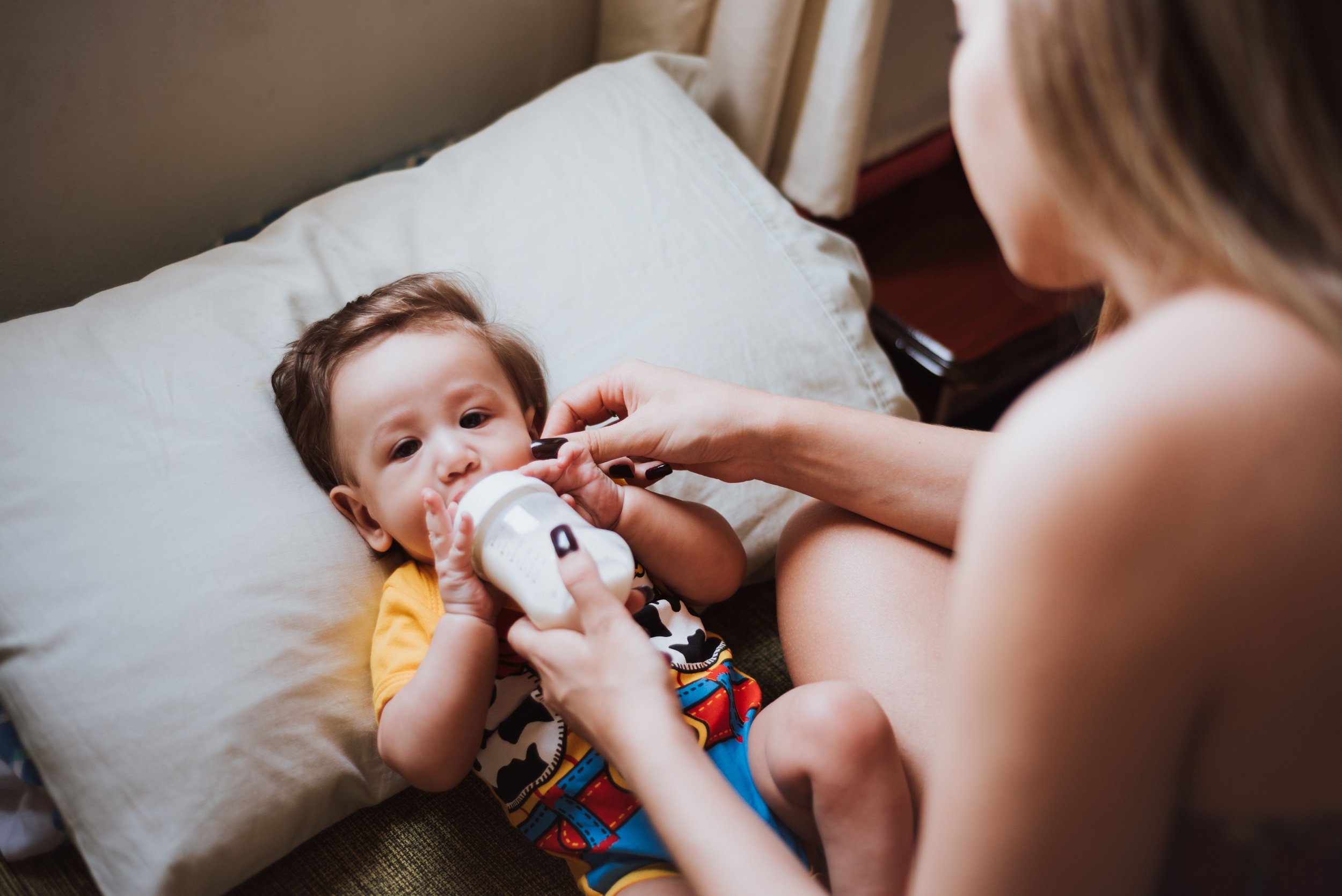
When Do Babies Hold Their Own Bottle? (Timeline & Safety Milestones)
Babies typically develop the motor skills to hold their own bottle between 6 and 10 months of age. While early grasping motions often appear between 3 and 5 months, independent feeding requires advanced hand-eye coordination and core stability. Caregivers must always supervise bottle feeds to prevent choking.

How to Survive the Witching Hour With a Newborn: A Calm Evening Plan for You and Your Baby
The witching hour in newborns is a normal developmental phase of intense evening fussiness and crying that typically occurs between 5 p.m. and 11 p.m.

