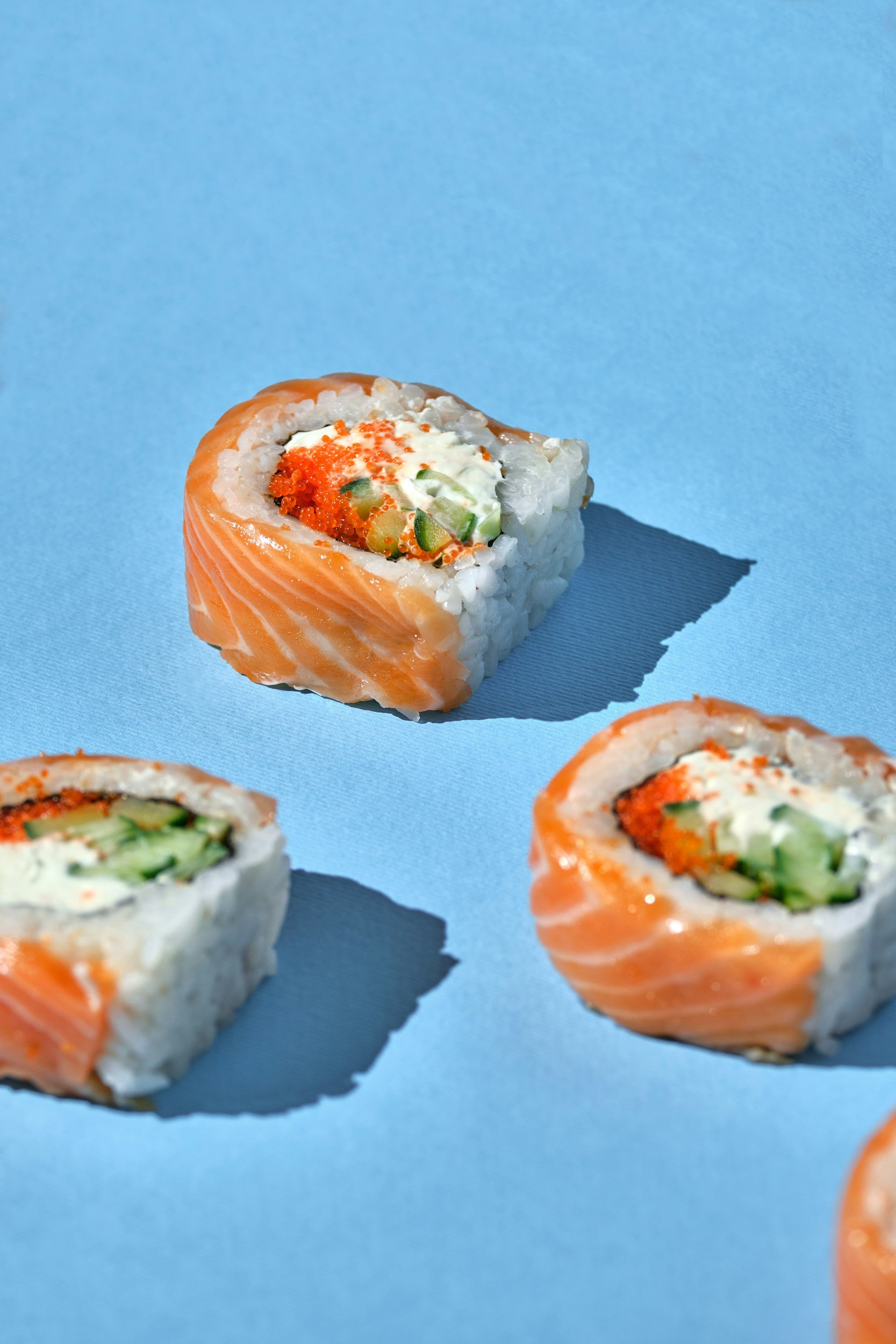
Why You Can’t Eat Sushi While Pregnant
By now you’ve probably seen the “post-labor sushi” photos circulating everywhere. Some companies even offer delivery-date sushi boxes to mark the end of pregnancy. Grubhub’s Special Delivery program framed sushi as one of the top requested “first meals” for new moms. Local restaurants have also turned this into an actual product like Nakato in Atlanta’s “New Mama’s Sushi Delivery” explicitly markets a first-meal-after-birth box. Boutique and omakase-style sushi shops have leaned into the vibe too; some run social media promotions for “post-baby homeakase” boxes to new mothers.
So why is sushi (and all undercooked seafood) so dangerous during your pregnancy? Below is a clear, research-based explanation of why raw fish is considered unsafe during pregnancy, what contaminants matter, and what types of seafood are still safe to enjoy.
Why Raw Fish Is Dangerous During Pregnancy
Raw fish is one of the world’s most popular foods, but pregnancy changes how your immune system responds to bacteria and pathogens. What might be a mild illness outside of pregnancy can become severe and lead to complications for both mother and baby.
Raw fish may contain:
Listeria monocytogenes
Parasites such as tapeworm or anisakis
Bacteria including Salmonella or Vibrio
The Centers for Disease Control and Prevention notes that pregnant women are 10 times more likely than the general population to get listeriosis (CDC. “Listeria (Listeriosis).”). Listeriosis is food poisoning from listeria contaminated food.
Raw food is especially prone to this type of bacteria growth even with any advertised hygienic handling; avoid it at all costs. Because Listeria can cross the placental barrier, the baby is at risk even if the mother’s symptoms are mild.
What Is Listeria?
Listeria monocytogenes is a bacteria found in contaminated foods such as raw seafood, unpasteurized dairy, and refrigerated smoked fish. During pregnancy, listeriosis is linked to:
Miscarriage
Preterm labor
Stillbirth
Severe neonatal infection
The American College of Obstetricians and Gynecologists emphasizes that Listeria is particularly dangerous because symptoms in the mother can appear mild or flu-like, while the fetus can experience severe complications (ACOG. “Management of Pregnant Women With Presumptive Exposure to Listeria Monocytogenes.”).
This is why all raw-fish sushi including sashimi, ceviche, poke, and uncooked shellfish are all considered unsafe for pregnant individuals.
What About Mercury Levels in Seafood?
Listeria isn’t the only concern. Certain fish commonly used in sushi contain high levels of mercury, a neurotoxin that can affect fetal brain development. Mercury is a naturally occurring heavy metal that is toxic to humans. Fish consume these metals regularly and are able to store mercury in their muscles (WebMD). Aside from food consumption, your body is also able to absorb mercury levels through the skin. Due to this, consider organic skincare brands for mothers.
According to the Mayo Clinic, pregnant individuals should avoid high-mercury fish entirely (Mayo Clinic. “Pregnancy Nutrition: Foods to Avoid During Pregnancy.”).
High-mercury fish include:
Swordfish
Shark
King mackerel
Tilefish
Bigeye tuna (often used in higher-end sushi restaurants)
Mercury exposure during pregnancy has been associated with:
Developmental delays
Cognitive impairment
Vision and hearing problems
Motor skill challenges
Even if the fish is fully cooked, if it’s a high-mercury species, it still poses a risk.
All Raw Fish is Unsafe for Pregnant Women
All raw fish is considered unsafe to eat during pregnancy according to the FDA (Reuters, 2022). However, certain cooked fish offer important nutrients such as omega-3 fatty acids, lean protein, and essential minerals.
If you choose to eat seafood during pregnancy, the CDC and FDA recommend 8 to 12 ounces per week of low-mercury, fully cooked fish (FDA. “Advice About Eating Fish: For Those Who Might Become or Are Pregnant or Breastfeeding.”
Safe and moderated pregnancy-friendly cooked seafood options include:
Salmon
Shrimp
Pollock
Tilapia
Cod
Sardines
Canned light tuna (limited to 6 oz per week)
Safe sushi alternatives include:
Vegetable rolls
Cooked shrimp rolls
Cooked salmon rolls
Avocado rolls
Sweet potato rolls
Cucumber rolls
Avoid:
Raw tuna
Raw salmon
Raw yellowtail
Raw shellfish
Smoked fish unless heated to steaming
What If You Ate Sushi Before Knowing You Were Pregnant?
This is extremely common. If you consumed raw sushi before realizing you were pregnant, do not panic.
Seek medical care immediately if you experience:
Fever
Chills
Gastrointestinal distress
Aching muscles
Flu-like symptoms
These can indicate possible listeriosis contamination.
To Eat or not To Eat While Pregnant
Finding the “perfect” pregnancy diet online can feel overwhelming. Many generic guidelines overlook individual differences such as nutrient deficiencies, allergies, microbiome imbalances, or metabolic concerns.
A certified functional nutritionist can help identify nutritional gaps and tailor a plan that meets your needs while protecting fetal development.
Get Prenatal Nutrition Advice
Sushi is one of the most widely loved foods in the world, but during pregnancy, raw or undercooked seafood carries real risks due to Listeria and high mercury levels. Avoiding raw fish for the duration of pregnancy is the safest option. If you choose to eat seafood, stick to fully cooked, low-mercury choices and follow evidence-based guidelines provided by trusted medical sources.
If you want a personalized diet plan or guidance throughout pregnancy and postpartum, you can speak to Ravina Thomas, a certified functional medicine practitioner on MissPoppins. Ravina brings over 25 years of applicable experience and a Masters in Education.
Last Edited: December 4th, 2025.